
Spaghetti Noodle Recipes make dinner easier, more affordable, and a whole lot more exciting. Whether you’re craving creamy garlic Parmesan pasta, a comforting bowl of tomato spaghetti, or a cheesy baked dish fresh from the oven, there’s a recipe here for every kind of evening. And honestly, that’s the beauty of spaghetti: one simple pantry staple can become so many different meals. With a few everyday ingredients, you can create something delicious without spending hours in the kitchen. In this guide, you’ll discover easy combinations, practical cooking tips, and flavorful ideas to help you turn ordinary spaghetti noodles into dinners your family will want again and again.
Why Spaghetti Noodle Recipes Belong in Every Kitchen
The Versatility of Spaghetti Noodles
Some ingredients earn their place in the pantry because they’re convenient. Spaghetti does that and more. These long, slender noodles work with tomato sauces, creamy cheese sauces, garlic-infused olive oil, fresh vegetables, and plenty of protein options. As a result, you can prepare a completely different dinner without buying an entirely new collection of ingredients.
For example, a jar of tomato sauce and a little Parmesan can become a quick weeknight meal. Add sautéed mushrooms and cream, however, and you’ve got a richer, cozier dish. Meanwhile, lemon juice, olive oil, and fresh parsley create a lighter combination that feels perfect for warmer evenings.
Spaghetti also makes it easy to cook for different appetites. Serve a simple vegetable pasta for a meat-free dinner, or add grilled chicken, shrimp, or ground beef when you want something more substantial. If you’re feeding a crowd, baked spaghetti is another excellent choice because you can assemble it ahead of time and finish it in the oven.
The secret is choosing ingredients that complement one another instead of overwhelming the noodles. Garlic, herbs, olive oil, tomatoes, and cheese are reliable starting points. From there, you can experiment with seasonal vegetables, different spices, and whatever happens to be waiting in your refrigerator.
How to Choose the Right Ingredients
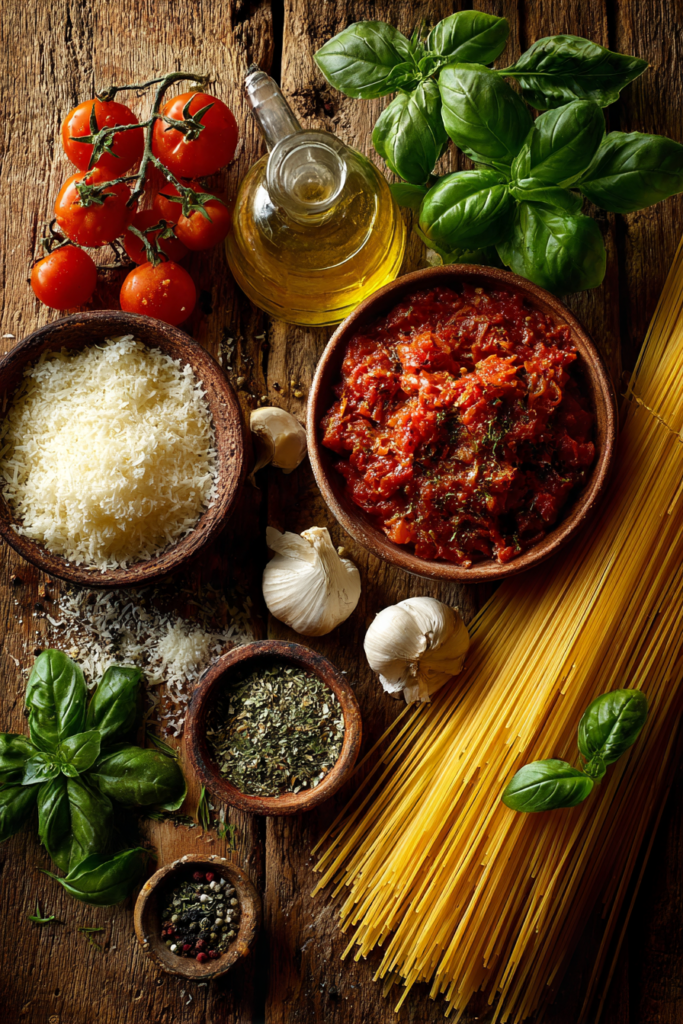
You don’t need expensive ingredients to make delicious spaghetti. However, a few thoughtful choices can improve the finished dish.
| Ingredient | What it adds | Best uses |
|---|---|---|
| Dried spaghetti | A dependable, pantry-friendly base | Everyday pasta dinners |
| Fresh garlic | A savory, aromatic flavor | Garlic butter and tomato sauces |
| Olive oil | Richness and a smooth finish | Simple garlic spaghetti |
| Crushed tomatoes | A bright, savory sauce | Marinara and tomato spaghetti |
| Parmesan cheese | Salty, nutty flavor | Creamy and cheesy pasta |
| Heavy cream | A smooth, rich texture | Creamy garlic and mushroom sauces |
| Fresh spinach | Color and freshness | Vegetable and creamy pasta |
| Shrimp or chicken | Protein and extra substance | Complete main-course meals |
Whenever possible, grate Parmesan fresh rather than relying entirely on pre-grated cheese. It generally melts more smoothly into warm sauces. Similarly, choose flavorful tomatoes and fresh garlic when you can, because simple recipes depend on each ingredient doing its job.
And don’t forget the pasta water. A small amount of the starchy cooking liquid can help sauce cling to the noodles, making the dish feel cohesive rather than oily or watery.
Easy Spaghetti Noodle Recipes for Busy Weeknights
Creamy Garlic Parmesan Spaghetti
If you love comforting pasta but don’t want a complicated recipe, creamy garlic Parmesan spaghetti is an excellent place to start. The sauce combines butter, garlic, cream, and Parmesan to create a silky coating for every strand.
Begin by cooking spaghetti in salted boiling water until just al dente. While it cooks, melt butter in a skillet over medium-low heat. Add minced garlic and stir for about 30 seconds, just until fragrant. Pour in heavy cream and let it warm gently before stirring in freshly grated Parmesan.
Next, transfer the drained spaghetti directly into the skillet. Add a splash of reserved pasta water and toss until the sauce coats the noodles. Finish with black pepper and chopped parsley.
For a more substantial meal, add cooked chicken or sautéed mushrooms. You can also stir in baby spinach during the final minute so it wilts into the warm sauce.
The important thing is to keep the heat gentle after adding the cheese. Excessive heat can make a creamy sauce separate or become grainy. Instead, let everything come together slowly, and serve immediately while the sauce is smooth and glossy.
Garlic Butter Spaghetti Noodles
Garlic butter spaghetti proves that a short ingredient list can deliver wonderful flavor. It’s especially useful on evenings when you need dinner quickly and don’t feel like preparing a complicated sauce.
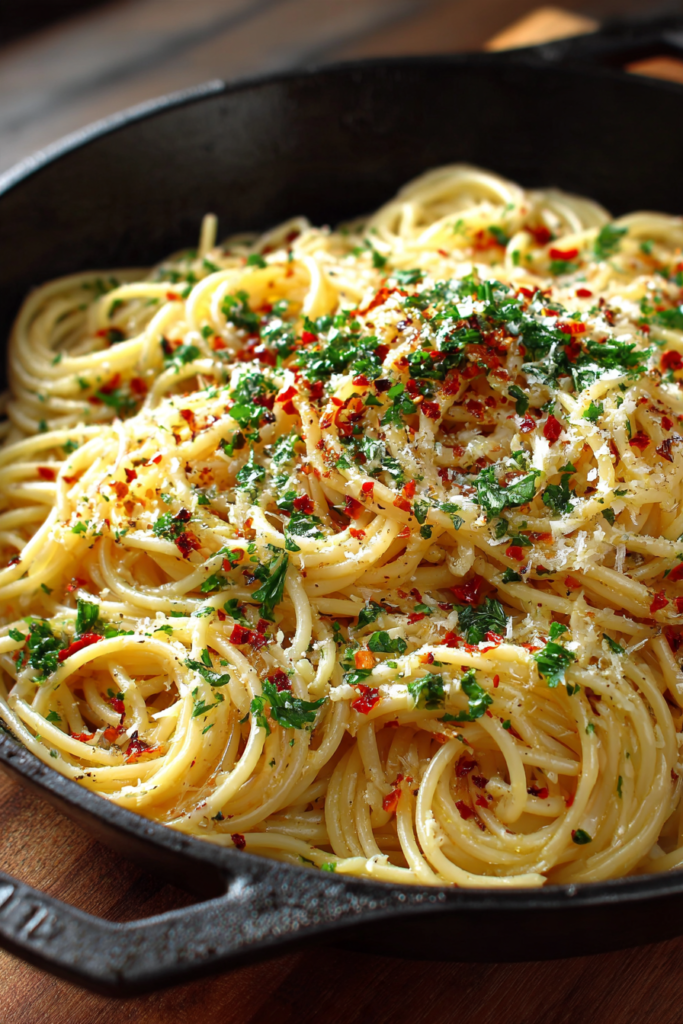
Cook the spaghetti in salted water, reserving a little cooking liquid before draining. Meanwhile, warm butter and olive oil in a large skillet. Add finely minced garlic and cook gently until fragrant, taking care not to let it burn.
Add the cooked noodles, a splash of pasta water, freshly ground black pepper, and chopped parsley. Toss everything together until the butter lightly coats the spaghetti. Finish with Parmesan and a little lemon zest if you enjoy a brighter flavor.
Want extra texture? Add toasted breadcrumbs or chopped walnuts. For heat, sprinkle in red pepper flakes. You can even add sautéed zucchini or cherry tomatoes for a simple vegetable boost.
This recipe works beautifully as a main dish, but it also makes an easy side for grilled chicken or roasted vegetables. Better yet, most of the ingredients are inexpensive pantry staples.
Classic Tomato Basil Spaghetti
Tomato basil spaghetti is one of those reliable dinners that never needs much explanation. A good tomato sauce, properly cooked noodles, and fresh herbs create a satisfying meal without unnecessary fuss.
Start by warming olive oil in a saucepan. Add chopped onion if desired, followed by minced garlic. Once fragrant, stir in canned crushed tomatoes, a pinch of salt, black pepper, and dried oregano. Simmer the sauce for 15–20 minutes, stirring occasionally.
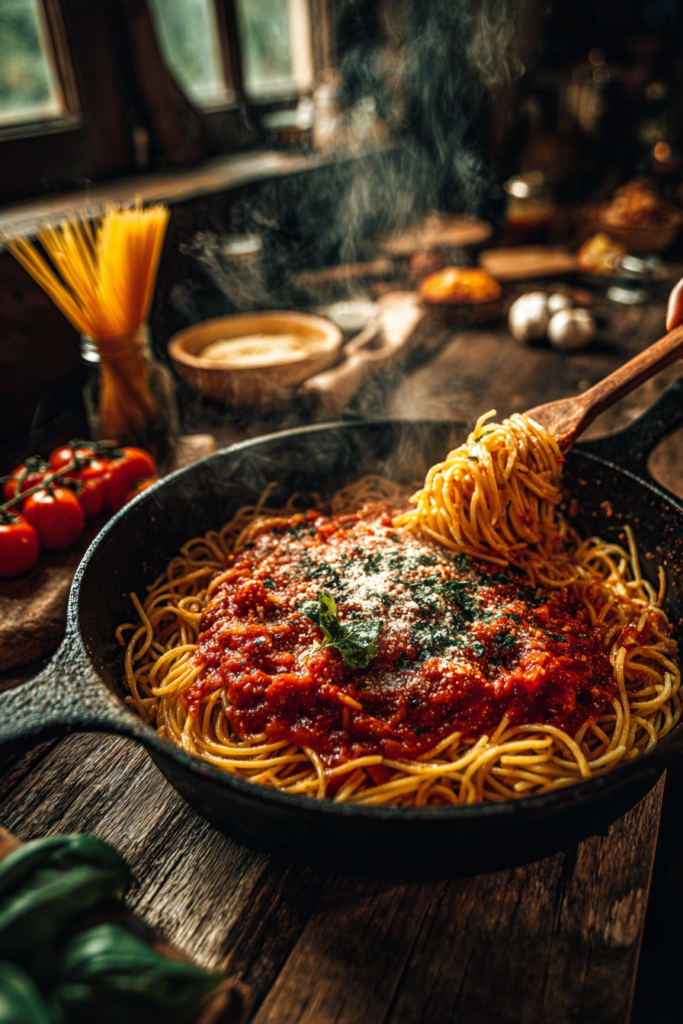
Meanwhile, cook the spaghetti until al dente. Drain it, reserving a little pasta water, and add the noodles to the tomato sauce. Toss thoroughly so the sauce reaches every strand. Finish with torn fresh basil and grated Parmesan.
For a deeper flavor, allow the sauce to simmer a little longer. If the tomatoes taste especially acidic, a small pinch of sugar may balance them, although it isn’t always necessary.
You can also add sliced mushrooms, roasted peppers, or spinach. Nevertheless, keep the sauce balanced so the tomato flavor remains the star.
More Spaghetti Noodle Recipes to Try
Cheesy Baked Spaghetti
When you want a dinner that feels a little more special, cheesy baked spaghetti is a fantastic option. It combines tender pasta, flavorful tomato sauce, and melted cheese in one bubbling casserole. The edges turn slightly golden, while the center stays soft and comforting.
To prepare it, cook spaghetti until just shy of al dente because the noodles will continue cooking in the oven. Mix them with tomato sauce and, if desired, cooked ground beef or sautéed vegetables. Transfer everything to a greased baking dish, then scatter shredded mozzarella and Parmesan over the top.
Bake at 375°F (190°C) for approximately 20–25 minutes, or until the cheese melts and the sauce bubbles around the edges. If you want a more golden surface, briefly use the broiler while watching closely.
You can assemble the casserole ahead of time, making it useful for busy evenings or casual family gatherings. Just remember that refrigerated ingredients may need a little extra baking time. Check that the center is thoroughly hot before serving.
For a complete meal, pair baked spaghetti with a crisp green salad and roasted vegetables. And if you enjoy cozy, cheesy appetizers, try Pumpkin-Shaped Cheesy Bread Bites alongside your dinner.
Creamy Mushroom Spaghetti
Mushrooms bring an earthy, savory flavor that works wonderfully with spaghetti. Combine them with garlic, cream, and Parmesan, and you have a dinner that tastes rich without requiring a long list of ingredients.
First, slice your mushrooms and pat them dry if they’re particularly damp. Heat olive oil or butter in a large skillet, then add the mushrooms in a single layer. Let them brown before stirring too often. This step helps them develop deeper flavor instead of simply steaming.
Add minced garlic and cook briefly. Pour in heavy cream, season with salt and black pepper, and simmer gently until the sauce thickens slightly. Stir in Parmesan, then add the cooked spaghetti and a little reserved pasta water.
Toss until the sauce clings to the noodles. Fresh thyme or parsley adds a lovely finishing touch, while baby spinach makes the dish more colorful.
For a lighter version, replace some of the cream with milk or use a smaller amount of cream and more pasta water. The result won’t be quite as rich, but it can still be delicious.
Lemon Parmesan Spaghetti
Not every pasta dinner needs a heavy sauce. Lemon Parmesan spaghetti offers a fresh, bright alternative, especially when you want something simple that still feels thoughtfully prepared.
Cook the spaghetti until al dente, then warm olive oil or butter with a little minced garlic in a skillet. Add lemon zest, a squeeze of lemon juice, and a splash of pasta water. Toss in the noodles, followed by finely grated Parmesan and black pepper.
Keep tossing until the cheese and cooking water form a light coating. Add more pasta water a tablespoon at a time if the mixture seems dry. Finish with chopped parsley or basil.
The lemon should brighten the flavor rather than overpower it, so begin with a modest amount of juice and taste before adding more. For extra protein, serve with grilled chicken or sautéed shrimp. Roasted asparagus and peas also make excellent additions.
This is one of those spaghetti noodle recipes that feels elegant despite its simplicity. Serve it immediately with extra Parmesan and lemon zest at the table.
How to Cook, Serve, and Store Spaghetti Noodle Recipes
How to Cook Perfect Spaghetti Every Time
Even the best sauce can’t rescue pasta that’s badly overcooked. Fortunately, preparing spaghetti with a pleasant, slightly firm bite is straightforward once you know a few basics. General pasta-cooking guidance recommends using plenty of boiling water, salting it, checking the package directions, and testing the noodles before the suggested cooking time ends. <Cite refs={[“turn682200search2″,”turn682200search8”]}/>
Follow these steps for reliable results:
- Bring a large pot of water to a rolling boil. Give the spaghetti enough room to move as it softens.
- Salt the water. This seasons the noodles from the inside. The amount depends on how much water you’re using and your taste.
- Add the spaghetti and stir early. This helps separate the strands and reduces sticking.
- Check the package instructions. Begin testing a minute or two before the suggested cooking time.
- Reserve pasta water. Before draining, save about one cup in case your sauce needs loosening.
- Finish the noodles in the sauce. Toss them together for a minute or two so the flavors combine.
Here’s the thing: you don’t need to rinse spaghetti after draining it for a hot sauce. Rinsing removes surface starch that can help the sauce cling to the noodles. Instead, transfer the spaghetti directly into your skillet or saucepan.
Also, avoid adding oil to the boiling water as a solution for sticking. Stirring the noodles is more useful, and oily pasta can be harder to coat evenly with sauce.
Serving Suggestions, Storage, and Helpful Tips
A delicious pasta dinner is even better when you serve it thoughtfully. For creamy spaghetti, add fresh parsley and a little Parmesan just before bringing the dish to the table. Tomato spaghetti looks lovely with fresh basil, while lemon pasta benefits from extra zest and cracked black pepper.
For a balanced meal, consider pairing your noodles with:
- A green salad with lemon dressing.
- Roasted broccoli, zucchini, or asparagus.
- Garlic bread or crusty bread for the sauce.
- Grilled chicken or shrimp for extra protein.
- Fresh fruit for a simple dessert.
If you’re planning a casual gathering, you can also serve small pasta portions alongside appetizers. For more entertaining inspiration, explore Toasted Walnut Brie Bites: 7 Delicious Holiday Tips. And when you’re planning a sweet finish, Banana Bread with Chocolate Chips makes a comforting option.
Storage tips: Refrigerate leftover spaghetti in an airtight container within two hours of cooking. For best quality, use refrigerated leftovers within three to four days. Store sauce separately when possible, because it helps preserve the texture of the noodles.
To reheat, place the spaghetti in a skillet with a splash of water, broth, or milk, depending on the sauce. Warm gently, stirring until heated throughout. You can also microwave it in a covered, microwave-safe container, stirring partway through. Avoid overheating creamy sauces, which may separate.
For meal prep, cook the sauce ahead of time and refrigerate it separately. Then boil fresh spaghetti when you’re ready to eat. This small step often gives you a better texture than preparing the entire dish days in advance.
Frequently Asked Questions About Spaghetti Noodle Recipes
What can I add to spaghetti noodles for more flavor?
Start with garlic, olive oil, salt, black pepper, and Parmesan. Then add fresh herbs, lemon zest, chili flakes, mushrooms, spinach, tomatoes, chicken, or shrimp depending on the recipe. A splash of reserved pasta water can also help bring the sauce together.
How much dry spaghetti should I cook per person?
A useful starting point is about 2 ounces (56 grams) of dry spaghetti per person for a standard serving. Increase the amount if you’re serving very hungry guests or making pasta the main part of a meal without substantial sides.
How do I stop spaghetti noodles from sticking together?
Use a large pot of boiling water and stir the noodles soon after adding them. Once cooked, drain them and combine them with the sauce promptly. If you need to hold the pasta briefly, toss it with a little sauce rather than leaving it in a dry pile.
Can I make spaghetti noodle recipes without cream?
Absolutely. Tomato sauce, olive oil, garlic, lemon, pesto, and pasta water can all create flavorful sauces without cream. For a creamy texture without heavy cream, you can also try a modest amount of milk combined with Parmesan, although the consistency will differ.
Are spaghetti noodle recipes good for meal prep?
Yes. Tomato sauces and vegetable-based sauces are especially convenient to prepare ahead. Store cooked pasta and sauce separately when practical, then combine them during reheating. This helps the noodles maintain a better texture.
Final Thoughts
The best spaghetti noodle recipes don’t have to be complicated or expensive. With a box of pasta, a few pantry staples, and a little creativity, you can make creamy garlic spaghetti, bright lemon Parmesan noodles, comforting baked pasta, or a classic tomato basil dinner.
Start with one recipe that matches your mood, then adjust the herbs, vegetables, cheese, and protein to suit your household. Most importantly, taste as you cook. A little extra lemon, a handful of fresh herbs, or a spoonful of pasta water can make a surprising difference.
Save your favorite ideas, share them with someone who loves pasta, and keep experimenting. There’s always another delicious way to turn spaghetti noodles into a meal worth looking forward to.
Print
Spaghetti Noodle Recipes: 10 Easy, Delicious Ideas
- Total Time: 35 mins
- Yield: 4 servings
- Diet: Vegetarian
Description
Discover easy Spaghetti Noodle Recipes for delicious weeknight dinners. This classic spaghetti dish features tender noodles tossed in a flavorful tomato basil sauce with garlic, olive oil, and Parmesan cheese. It’s simple, comforting, budget-friendly, and easy to customize with your favorite vegetables or protein.
Ingredients
8 oz (225 g) dried spaghetti noodles
2 tbsp olive oil
3 cloves garlic, minced
1 can (14 oz / 400 g) crushed tomatoes
1/2 small onion, finely chopped (optional)
1 tsp dried oregano
1/2 tsp salt, or to taste
1/4 tsp black pepper
1/4 cup freshly grated Parmesan cheese
1/4 cup fresh basil leaves, torn
1/2 cup reserved pasta cooking water, as needed
Instructions
1. Bring a large pot of water to a boil. Add salt, then cook the spaghetti according to the package directions until al dente.
2. Before draining, reserve about 1/2 cup of the pasta cooking water. Drain the spaghetti without rinsing it.
3. Meanwhile, heat the olive oil in a large skillet over medium heat. Add the chopped onion, if using, and cook for 3–4 minutes until softened.
4. Add the minced garlic and cook for about 30 seconds, stirring frequently until fragrant.
5. Stir in the crushed tomatoes, dried oregano, salt, and black pepper. Bring the sauce to a gentle simmer.
6. Cook the tomato sauce for 15–20 minutes, stirring occasionally, until it thickens slightly and the flavors combine.
7. Add the drained spaghetti directly to the skillet with the tomato sauce.
8. Toss the noodles thoroughly, adding a splash of reserved pasta water as needed to help the sauce coat the spaghetti evenly.
9. Remove the skillet from the heat and stir in the grated Parmesan cheese and fresh basil.
10. Taste and adjust the seasoning if necessary. Serve immediately with additional Parmesan and fresh basil.
Notes
Cook the spaghetti just until al dente so it maintains a pleasant bite.
Reserve pasta water before draining. Its starch helps the tomato sauce cling to the noodles.
Use freshly grated Parmesan for a better flavor and smoother finish.
For extra vegetables, add sliced mushrooms, baby spinach, zucchini, or roasted peppers.
For additional protein, serve with cooked chicken or sautéed shrimp.
Add red pepper flakes if you prefer a spicy tomato sauce.
Store leftovers in an airtight container in the refrigerator for 3–4 days.
Reheat gently in a skillet with a splash of water to loosen the sauce.
Nutrition information is approximate and will vary depending on the ingredients and serving size.
- Prep Time: 10 mins
- Cook Time: 25 mins
- Category: Dinner / Main Course
- Method: Stovetop
- Cuisine: Italian-American